
Tiles Guide
Tile Materials Guide: Porcelain, Ceramic, Natural Stone and Large-Format Tiles
Tiles are one of the most flexible surface materials for floors, walls, bathrooms, kitchens, backsplashes, showers, fireplaces, outdoor spaces and commercial interiors. The right tile can make a space feel clean, modern, warm, luxurious or architectural. This guide explains how to compare porcelain tile, ceramic tile, natural stone tile and large-format slabs before choosing the best surface for your project.

Why Tile Selection Matters
Tile is often seen as a simple finishing material, but in reality it has a major influence on how a room looks, feels and performs. Tile can define the mood of a bathroom, protect a kitchen backsplash, create a durable entryway floor, add texture to a fireplace wall, or make a commercial space feel more refined and easier to maintain.
The wrong tile can create daily problems. It may be too slippery, too hard to clean, too visually busy, too cold in tone, too small for the scale of the room, or too sensitive for the environment. The right tile, on the other hand, can support both the design concept and the practical needs of the space for many years.
At Luxiomer, tile is treated as part of a larger surface system. Floors, walls, countertops, backsplashes, shower panels, fireplace cladding and outdoor surfaces should work together. When tile is selected in connection with other materials, the final interior feels more intentional and more premium.
Main Types of Tile Materials
The most common tile categories include porcelain, ceramic, natural stone, glass, mosaic and large-format slab materials. Each category has its own strengths, limitations and best-use cases. There is no single best tile for every room. The best choice depends on moisture exposure, traffic, cleaning needs, style, budget, installation complexity and the desired visual effect.
For example, porcelain is usually a strong choice for durable floors and wet areas. Ceramic can be excellent for walls, backsplashes and lower-traffic surfaces. Natural stone adds uniqueness and depth but requires more knowledge and maintenance. Large-format tile creates a more seamless look but needs precise installation.
Porcelain Tile
Porcelain tile is one of the most popular choices for modern residential and commercial projects. It is dense, durable, moisture-resistant and available in many sizes, colors, finishes and patterns. Porcelain can imitate marble, limestone, travertine, concrete, terrazzo, wood, metal and other premium materials.
Because porcelain performs well in wet and high-traffic areas, it is commonly used for bathroom floors, shower walls, kitchen floors, entryways, laundry rooms, living rooms, restaurants, hotels, showrooms and commercial interiors. It is also a strong option when the client wants a stone or marble look with easier daily maintenance.
Advantages of Porcelain Tile
- Strong durability for floors and walls.
- Good resistance to water and moisture.
- Wide range of stone-look and modern design options.
- Useful for kitchens, bathrooms and commercial spaces.
- Available in large-format sizes for a cleaner look.
- Generally easier to maintain than many natural stones.
Porcelain is not automatically perfect for every application. The finish, thickness, slip rating, edge quality, installation method and manufacturer guidance still matter. A polished porcelain tile may not be the best choice for a wet bathroom floor. A textured porcelain tile may be safer in wet zones but may require more cleaning effort.
Ceramic Tile
Ceramic tile is another common tile material, often used for walls, backsplashes, decorative surfaces and lighter-duty floors. It can be more affordable than porcelain and is available in many colors, shapes, glazes and handmade-style finishes. Ceramic tile is especially useful when the design needs color, texture or a classic tile appearance.
Ceramic is commonly used for kitchen backsplashes, bathroom walls, shower walls, laundry rooms, accent walls and decorative installations. It may not always be as dense or durable as porcelain, so the selected product should be checked for the intended use. Some ceramic tiles are wall-only, while others can be used on floors depending on their rating.
Natural Stone Tile
Natural stone tile brings authenticity and variation that manufactured tile cannot fully duplicate. Marble, limestone, travertine, slate, granite, quartzite and other stones can all be cut into tile formats. Each stone has its own color movement, mineral structure, texture and maintenance profile.
Natural stone tile is often chosen for luxury bathrooms, entryways, fireplace surrounds, feature walls, outdoor patios, spa-style interiors and projects where uniqueness matters. The main advantage is character. The main challenge is that natural stone requires realistic expectations.
Some stones are porous and need sealing. Some are sensitive to acidic cleaners or spills. Some are harder and more durable, while others are softer and better for feature areas. Before using natural stone tile, the project should consider finish, sealing, slip comfort, cleaning products and long-term wear.
Marble Tile
Marble tile
is known for elegance and timeless beauty. It can create a refined bathroom, a classic floor, a luxurious wall or a dramatic feature surface. White marble, grey marble, beige marble and dark marble all bring different moods.
However, marble can be sensitive to scratches, etching and staining. It should be selected by clients who understand that natural marble can develop character over time. For people who want a marble look with easier maintenance, porcelain marble-look tile may be a better solution.
Travertine and Limestone Tile
Travertine and limestone create warm, soft and natural interiors. They are often used in Mediterranean, organic modern, rustic luxury and spa-inspired spaces. These materials can look beautiful on floors and walls, but they are usually more porous and should be sealed and maintained correctly.
Slate and Granite Tile
Slate and granite are often selected for stronger natural stone performance. Slate can provide texture and an earthy appearance, while granite can offer durability and a classic stone look. Both should still be checked for finish, slip comfort and installation requirements.
Large-Format Tile
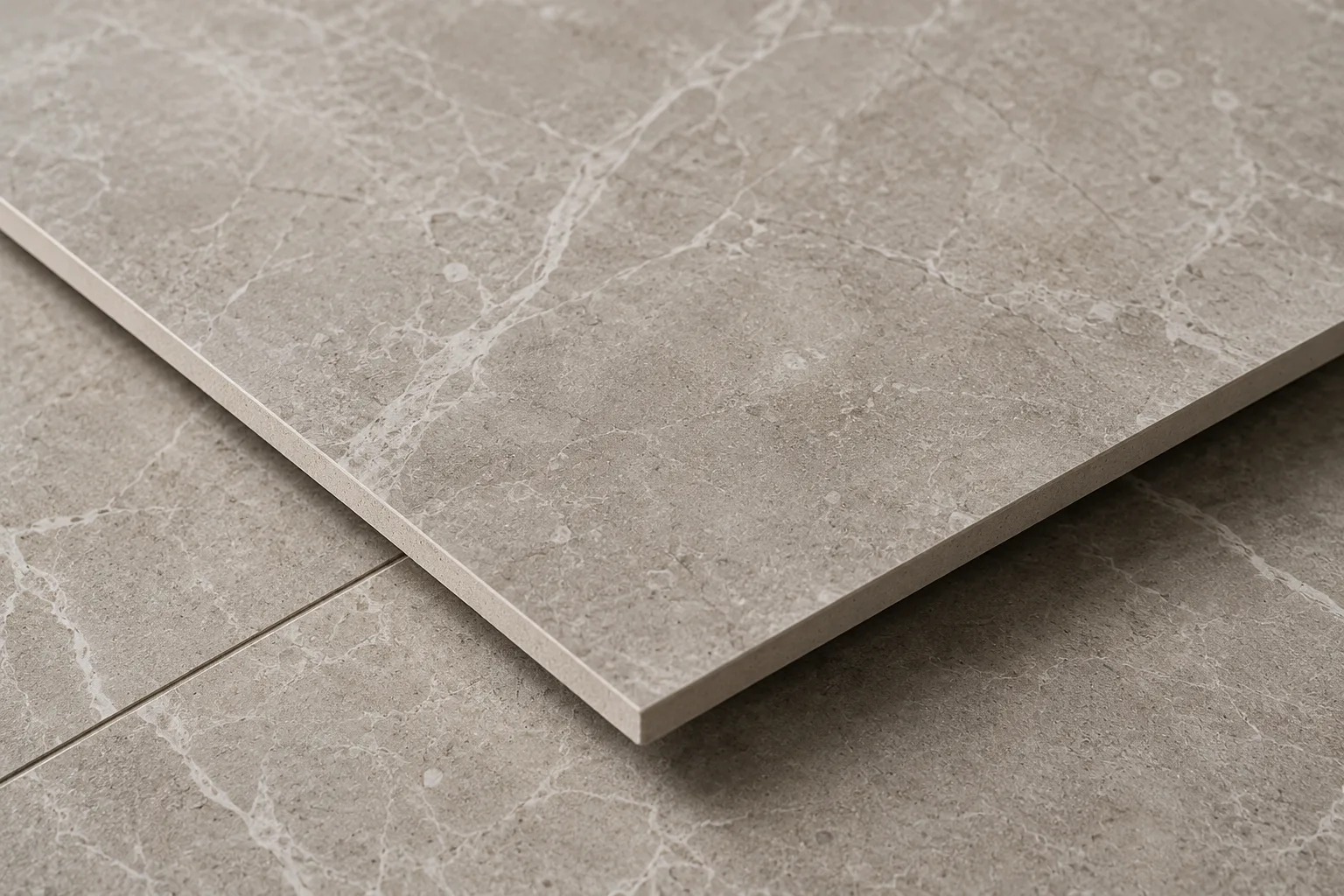
Large-format tile has become one of the most important trends in modern surface design. Instead of many small pieces and many grout joints, large-format tiles create broader continuous surfaces. This makes rooms feel cleaner, larger and more architectural.
Large-format tile works especially well in open-plan floors, luxury bathrooms, shower walls, fireplace walls, kitchen backsplashes, commercial lobbies and modern retail spaces. When the same surface continues across walls and floors, the result can feel very high-end.
The advantage of fewer grout joints is both visual and practical. A floor or wall with fewer interruptions looks more seamless. There may also be less grout area to clean. But large-format tile requires careful substrate preparation. Walls and floors must be flat. Handling and cutting must be done correctly. Layout planning becomes more important because every joint and cut is more visible.
Tile for Bathrooms
Bathrooms are one of the most important places for correct tile selection. Bathroom tile must handle moisture, cleaning, soap, humidity, bare feet and sometimes heated floors. It also has to create the right visual atmosphere: clean, calm, bright, spa-like, dramatic or luxurious.
Porcelain is often a strong bathroom tile choice because it resists moisture and is available in many slip-conscious finishes. Large-format porcelain can make a bathroom feel more seamless and modern. Marble and other natural stones can create a luxury bathroom, but sealing and cleaning requirements must be understood.
For shower floors, smaller tile or mosaic is often used because it can follow slopes and provide more grout lines for grip. For shower walls, large-format tile or slabs can reduce grout lines and make the space easier to visually maintain. Every bathroom tile plan should consider water, slope, substrate, waterproofing and grout.
Tile for Kitchens
Kitchen tile is used on floors, backsplashes, walls and sometimes feature surfaces. A kitchen floor must handle foot traffic, spills, chairs, dropped objects and frequent cleaning. A backsplash must handle cooking splashes, grease, steam and visual connection with the countertop.
Porcelain is often a strong kitchen flooring choice because it is durable and easy to clean. Ceramic can be excellent for backsplashes because it offers many decorative options. Natural stone backsplashes can look beautiful, especially when coordinated with countertops, but the stone and finish should be selected with maintenance in mind.
Tile should coordinate with countertop material, cabinets, flooring, hardware and lighting. A very dramatic countertop may need a calmer backsplash. A simple countertop may allow more decorative tile. The best kitchen design balances surfaces instead of making every element compete for attention.
Tile for Floors
Floor tile needs strength, slip comfort and long-term durability. The right tile depends on the traffic level and room use. Entryways, kitchens, bathrooms and commercial spaces need more practical performance than decorative wall areas.
Large-format porcelain tile can create a premium floor with fewer grout joints. Natural stone tile can create a more unique and authentic floor, but the stone must be suitable for foot traffic and maintenance expectations. Ceramic tile may be appropriate for some floor applications, but product rating must be checked.
Floor tile color also matters. Light tile can make a room feel larger and brighter, but may show dirt depending on finish and grout color. Dark tile can feel dramatic and elegant, but may show dust or water spots. Textured tile can improve grip but may need more cleaning.
Tile for Walls
Wall tile offers more design freedom than floor tile because it does not face the same traffic load. This allows more use of decorative ceramic, textured tile, polished surfaces, mosaics, stone panels and special finishes. Bathroom walls, shower walls, kitchen backsplashes, fireplace walls and commercial feature walls can all benefit from tile.
Large-format wall tile is especially useful in modern interiors. It can create a clean background with fewer grout lines. Decorative ceramic tile can create a warmer, more handmade or more colorful look. Natural stone tile can add texture and depth to feature areas.
Tile for Backsplashes
A backsplash is both protective and decorative. It protects the wall from water, oil and cooking splashes, but it also sits directly between countertops and cabinets. This makes it a key visual bridge in kitchen design.
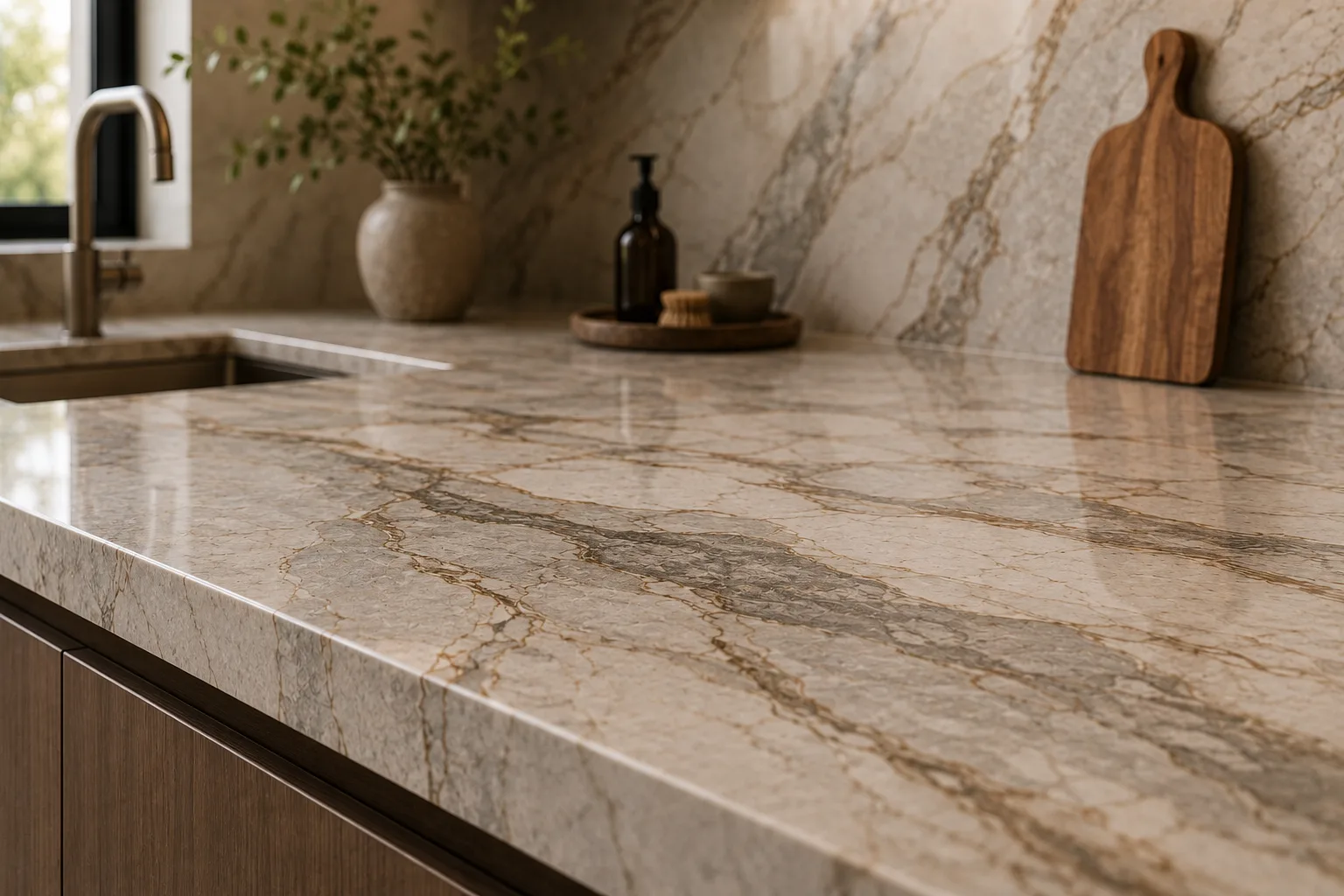
Common backsplash choices include ceramic tile, porcelain tile, marble tile, natural stone tile, mosaics and full-height slab backsplashes. A full-height slab backsplash creates a more seamless luxury look. Smaller decorative tiles can create more pattern, rhythm and personality.
The backsplash should not be chosen separately from the countertop. The two surfaces meet directly, so color temperature, pattern strength, finish and grout color must work together.
Choosing Tile Size
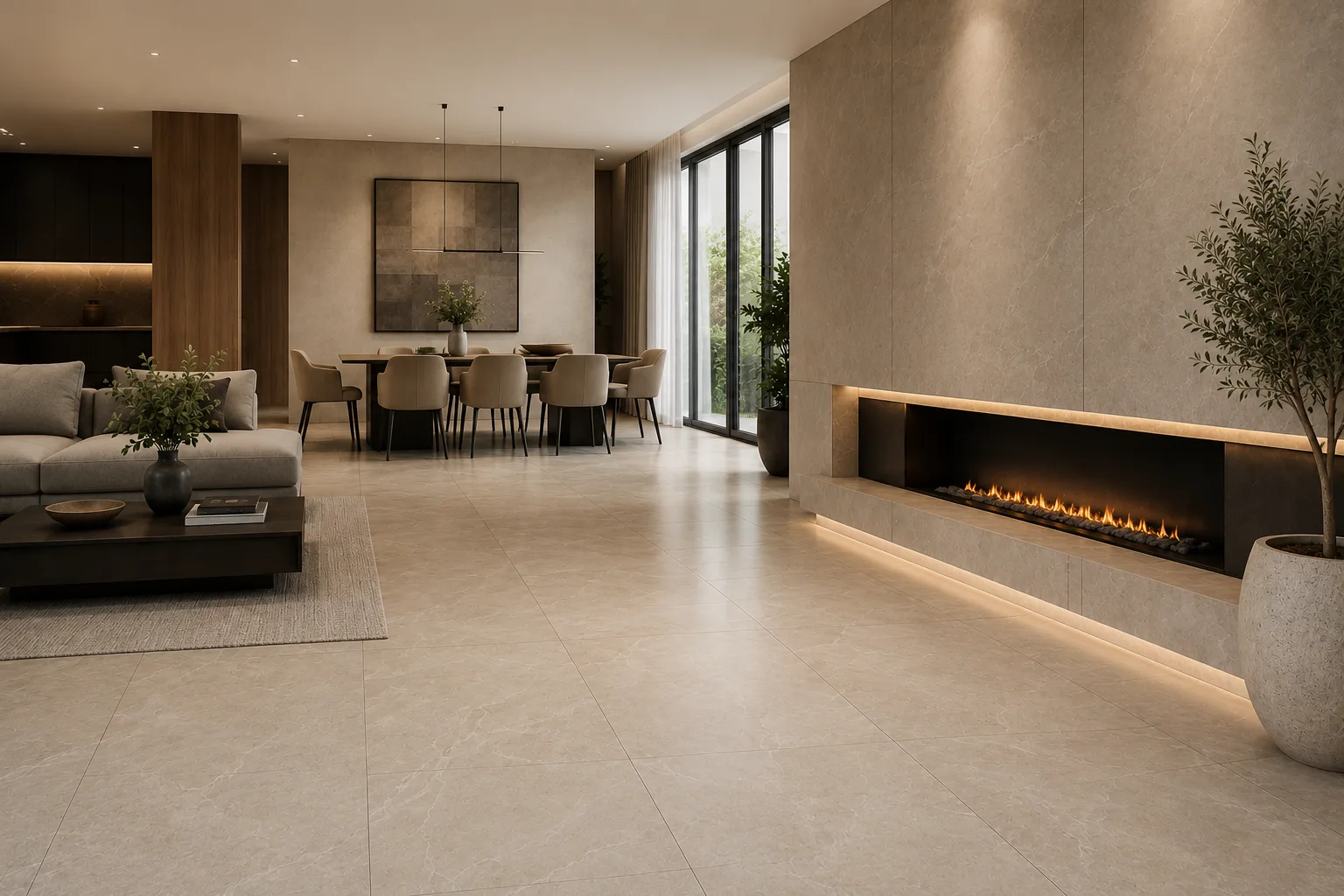
Tile size strongly affects the final look. Small tile creates more joints, more rhythm and more texture. Large tile creates a cleaner and more continuous surface. Mosaic tile can be excellent for shower floors, curved areas, decorative strips and detailed patterns. Large-format tile can make walls and floors feel more spacious.
The best size depends on room dimensions, layout, drainage, design style and installation requirements. A very small bathroom can sometimes look larger with large-format tile because there are fewer visual interruptions. But if the floor needs complex slopes, smaller tile may be more practical.
Choosing Tile Finish
Finish affects appearance, cleaning and safety. Polished tile reflects light and feels luxurious, but may show marks and can be slippery in wet areas. Matte tile feels calmer and more modern, and it is often more practical for floors. Textured tile can improve grip but may require more cleaning. Honed natural stone creates a softer look than polished stone.
Before choosing a finish, consider whether the tile will be used on a wall, floor, shower, outdoor area or commercial space. The same visual design may be available in several finishes, and the best finish is often determined by function.
Grout, Layout and Installation
Grout color, joint width and layout can change the final result. Matching grout creates a quieter surface. Contrasting grout highlights the tile shape and pattern. Narrow joints can make large-format tile look more seamless, but they require precise installation and suitable tile quality.
Layout should be planned before installation begins. Vein direction, tile cuts, centered lines, transitions, niches, drains, corners and edges all matter. In bathrooms, waterproofing is critical. In floors, substrate flatness is critical. In large-format tile, handling and leveling are critical.
Common Tile Selection Mistakes
- Choosing tile only by color without checking finish and use rating.
- Using polished tile in areas that become wet.
- Ignoring grout color until the last moment.
- Choosing large-format tile without checking wall or floor flatness.
- Using natural stone without understanding sealing and maintenance.
- Mixing too many strong patterns in one room.
- Not coordinating tile with countertops and flooring.
- Assuming wall tile can automatically be used on floors.
How Tile Coordinates With Countertops and Flooring
Tile is often used together with countertops and flooring, so it should be selected as part of the full surface palette. A kitchen backsplash must work with the countertop. Bathroom wall tile must work with floor tile and vanity surfaces. A fireplace wall should connect with the room’s flooring and furniture.
Coordination does not mean everything must match exactly. A calm porcelain floor can support a dramatic marble-look wall. A simple quartz countertop can pair with a textured ceramic backsplash. A natural stone tile wall can add depth next to minimal cabinetry. The goal is balance.
Maintenance Basics
Tile maintenance depends on material and finish. Porcelain is usually easy to clean. Ceramic is generally simple to maintain on walls and backsplashes. Natural stone requires more careful cleaning and may need sealing. Grout should also be maintained, because grout lines can collect dirt and moisture over time.
Use cleaners appropriate for the material. Avoid acidic cleaners on sensitive natural stone. Clean spills promptly. Protect tile during construction. In wet areas, good waterproofing and ventilation are as important as the tile itself.
Frequently Asked Questions About Tile Materials
Is porcelain tile better than ceramic tile?
Porcelain is usually denser and more durable than ceramic, which makes it strong for floors, bathrooms and high-traffic areas. Ceramic can still be excellent for walls, backsplashes and decorative surfaces. The best choice depends on the application.
Is natural stone tile good for bathrooms?
Natural stone tile can be beautiful in bathrooms, but it requires the right stone, finish, sealing and cleaning routine. Porcelain may be easier to maintain in busy wet areas, while natural stone offers more uniqueness and depth.
What tile is best for kitchen floors?
Porcelain tile is often one of the best kitchen floor options because it is durable, moisture-resistant and easy to clean. Natural stone can also work well, but maintenance requirements should be considered.
Are large-format tiles hard to install?
Large-format tiles require more careful installation than small tiles. The surface must be flat, handling must be precise, and layout planning is very important. Skilled installation is strongly recommended.
What tile is best for shower walls?
Porcelain tile is a strong shower wall choice because it handles moisture well and comes in many styles. Large-format porcelain can reduce grout lines. Natural stone can also be used, but sealing and cleaning requirements must be understood.
Should backsplash tile match the countertop?
Backsplash tile does not need to match the countertop exactly. It should coordinate with the countertop, cabinets, hardware and flooring. A calm backsplash can support a dramatic countertop, while a decorative backsplash can add character to a simple countertop.
Final Thoughts
Tile is one of the most versatile surface materials in design. Porcelain, ceramic, natural stone, mosaics and large-format tile can all create beautiful results when used correctly. The best tile choice depends on the room, moisture exposure, traffic, finish, maintenance expectations and overall design palette.
For homeowners, designers, builders and commercial clients, tile should be selected with both appearance and performance in mind. When tile is coordinated with countertops, flooring, wall panels and architectural details, the final project feels cleaner, more durable and more complete.