
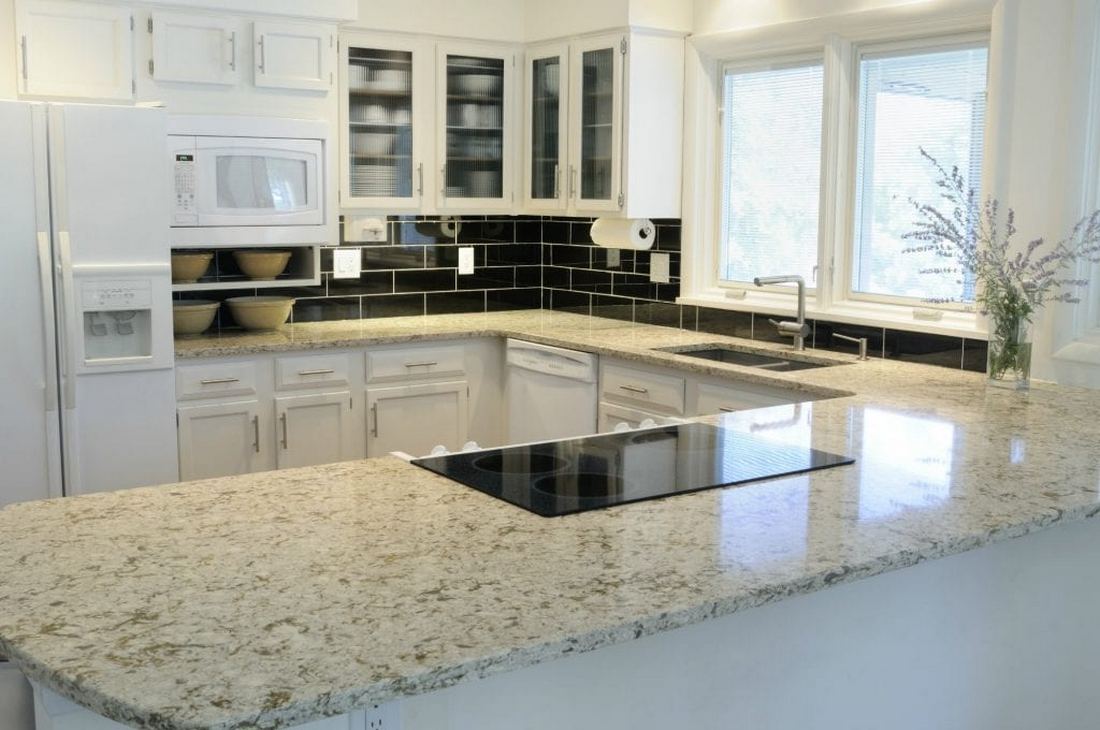
Engineered stone dominates modern culinary design. The material offers exceptional durability against daily scratches, heavy impacts, and stubborn stains. Its non-porous structure requires zero chemical sealing, making it a hygienic, food-safe surface for busy residential kitchens.
Despite these structural benefits, property owners constantly ask: are quartz countertops heat resistant? The short answer is that quartz withstands moderate warmth, but it is not heat-proof.
Navigating the exact thermal properties of engineered stone prevents costly, permanent defects. Understanding the science behind polymer resins reveals exactly how these slabs react to extreme temperatures. This guide details the mechanics of thermal shock, pinpoints exact temperature thresholds, and provides clear operational guidelines to protect your kitchen surfaces for decades.
Is quartz heat resistant?
Engineered stone slabs are created using the Bretonstone method, combining 90% to 93% crushed natural quartz with 7% to 10% synthetic polymer resins and pigments. While raw quartz withstands extreme heat exceeding 1000°F (538°C) and ranks 7 on the Mohs scale, the petroleum-based resins introduce severe thermal vulnerability.
These resins bond stone particles under vacuum vibro-compression and cure in ovens at 180°F to 200°F (80°C to 95°C). Exceeding this curing threshold causes thermal breakdown, degrading the resin’s molecular structure. This triggers permanent discoloration, surface yellowing, and a cloudy, pitted finish.
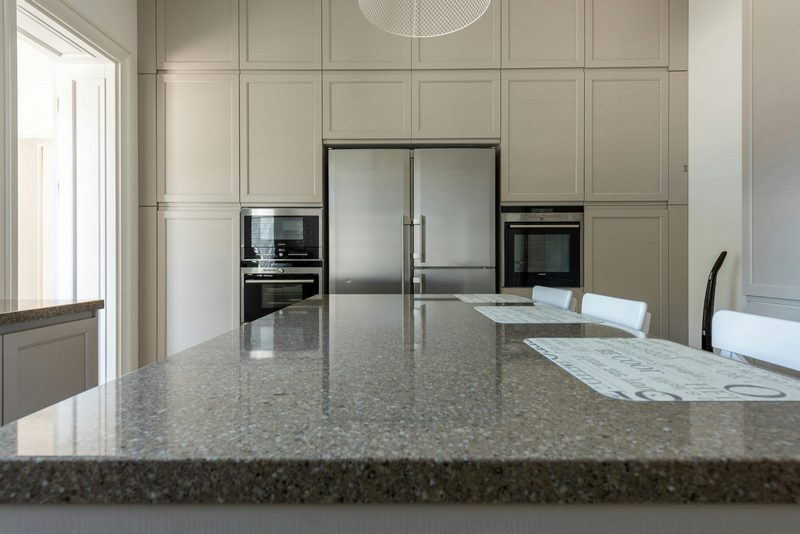
So, is quartz heat resistant? It withstands moderate ambient temperatures and brief contact with warm items. You can set a warm ceramic coffee mug or a heated dinner plate on the surface without hesitation. However, it does not possess the extreme thermal tolerance of raw volcanic granite, quartzite, or sintered ceramics. The synthetic binding agents dictate the absolute thermal ceiling of the slab. Recognizing this specific chemical limitation ensures your kitchen remains pristine.
Can you put hot pans on quartz countertops?
The direct answer requires 0 ambiguity. Can you put hot pans on quartz countertops without causing permanent harm? Absolutely not.
Placing heavy, heated cookware directly onto engineered stone creates immediate and severe structural risk. Homeowners regularly underestimate the massive residual heat stored within modern cookware.
A cast iron skillet removed from a 400°F oven retains dangerous heat levels for over 30 min. Enameled Dutch ovens, copper saute pans, and stainless steel pots full of boiling water transfer intense thermal energy downward instantly. When this intense heat contacts cold stone, 6 destructive physical reactions occur:
- Surface Scorching: Intense heat instantly burns the synthetic resin binders. This creates permanent dark brown or cloudy yellow burn rings deep within the matrix.
- Finish Degradation: The clear protective factory polish melts and bubbles. The affected area turns dull, rough, and highly visible under kitchen lighting.
- Structural Thermal Shock: The sudden temperature spike forces the localized heated area to expand rapidly. The surrounding cold stone remains rigid, creating intense internal tension.
- Slab Cracking: Opposing physical forces from thermal shock cause the slab to fracture violently. These fissures often run deep through the full 2 or 3 cm (.79 or 1.18 in) thickness of the slab.
- Pigment Discoloration: Extreme heat alters the chemical structure of organic color pigments. A brilliant white slab can permanently shift to an unsightly beige or amber hue.
- Seam Separation: Heat transferred near a joint melts the structural epoxy holding two slabs together. This causes the tight seam to split, lift, or separate completely.
How can quartz countertops handle heat from different cookware materials? They transfer heat at different rates, but all pose hazards:
- Cast iron cookware: Retains heat longest and radiates severe thermal energy downward.
- Multi-clad stainless steel: Heats evenly and transfers high surface temperatures instantly upon contact.
- Enameled stoneware: Holds intense heat from baking and can melt surface resins in less than 3 sec.
- Glass baking dishes: Cools slowly and traps high heat underneath its base.
Never trust engineered stone to absorb the thermal energy of cookware straight from a burner or oven. Thermal fractures often start around vulnerable sink cutouts or cooktop openings and propagate across the entire island.
How much heat can quartz countertops handle?
Defining the exact thermal ceiling requires analyzing manufacturer specifications. Most premium engineered stone slabs tolerate brief exposure to temperatures between 150°F and 300°F (65°C to 150°C).
This range exists because different manufacturers utilize proprietary resin formulations and pigment mixtures. High-resin slabs or dark-pigmented surfaces often show heat sensitivity at lower thresholds than light-colored, high-quartz formulations.
The critical factor involves the exact duration of the heat exposure. The surface might survive a 250°F baking sheet rested on the counter for 2 sec. However, a slow cooker operating at 200°F for 6 hr presents a massive structural hazard.
Continuous radiant energy slowly bakes the resin matrix directly beneath the appliance. Over several hours, this trapped warmth causes subtle yellowing, micro-cracking, and loss of surface luster.
Understanding real-world quartz heat resistance means evaluating both peak contact temperature and sustained radiant heat transfer. Everyday kitchen tasks easily cross the safety line:
- Boiling water reaches 212°F (100°C), sitting near the upper threshold of safe exposure.
- Frying oils reach 350°F to 375°F (175°C to 190°C), exceeding safe operational limits.
- Searing meat in a skillet reaches 400°F to 500°F (200°C to 260°C), guaranteeing resin burn.
- Oven-baked casseroles rest at 350°F to 425°F (175°C to 220°C), causing instant thermal shock.
Small countertop appliances pose the greatest hidden threat:
- Air fryers: Circulate 400°F air and exhaust intense heat downward through base vents.
- Slow cookers: Run for 4 to 8 hr, building up high heat beneath ceramic crocks.
- Electric griddles: Rest on short metal legs, radiating intense heat across broad surface areas.
- Toaster ovens: Lack insulated floor panels, transferring high radiant heat downward.
- Instant Pots: Vent pressurized steam and generate concentrated heat at the base during saute modes.
- Espresso machines: Commercial boilers produce continuous radiant warmth on base feet.
Operating these small appliances directly on bare quartz without thermal barriers can void manufacturer warranties. The repeated thermal cycling weakens polymer bonds over time, creating surface hazing that no polish can fix.
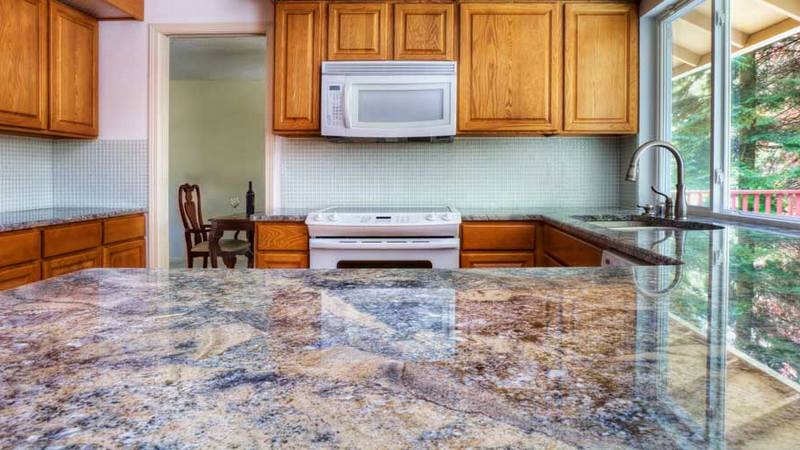
Comparing quartz to other heat-resistant countertops
Architects and interior designers evaluate multiple surface options for high-traffic culinary spaces. When assessing heat resistant countertops, engineered stone occupies the middle tier of thermal performance.
Natural metamorphic rocks, igneous formations, and sintered ceramics offer higher heat thresholds because they contain 0 petroleum resins.
| Countertop Material | Thermal Limit | Resin Content | Thermal Shock Risk | Scorch Risk | Sealing Needed |
| Quartz | 150°F to 300°F | 7% to 10% | Moderate to High | High | No |
| Granite | 1000°F+ | 0% | Low | 0% | Yes (every 1 to 2 yr) |
| Quartzite | 1000°F+ | 0% | Low | 0% | Yes (every 1 to 2 yr) |
| Porcelain | 2000°F+ | 0% | Very Low | 0% | No |
| Sintered Stone | 2000°F+ | 0% | Very Low | 0% | No |
| Marble | 350°F to 400°F | 0% | Moderate | Low | Yes (every 6 to 12 mo) |
| Stainless Steel | 1500°F+ | 0% | 0% | 0% | No |
| Butcher Block | 200°F | 0% | Low | High | Yes (monthly oiling) |
- Granite represents an igneous stone formed deep in volcanic magma. It easily withstands direct contact with 500°F pans without melting or scorching. The primary risk with granite is burning through its topical sealant, not damaging the stone itself.
- Natural quartzite provides identical thermal strength. Created through tectonic heat and compression of pure quartz sandstone, natural quartzite handles boiling pots and baking sheets without scorch marks.
- Porcelain and sintered stone represent the peak of thermal engineering. Fired in industrial kilns at temperatures exceeding 2000°F, porcelain slabs contain 0 synthetic binders. You can place red-hot pans directly onto porcelain without thermal shock, scorching, or discoloration.
- Marble handles moderate heat up to 400°F before thermal shock becomes a concern. However, marble remains soft and highly vulnerable to acid etching from lemon juice, vinegar, and wine.
- Butcher blocks wood scorches easily at 200°F and requires constant mineral oil treatments to prevent drying and cracking.
- Stainless steel provides commercial-grade heat immunity up to 1500°F, but scratches easily and lacks the natural stone visual appeal favored in residential homes.
Selecting the best surface depends on cooking habits. If you frequently transfer hot cookware off burners in a hurry, granite, quartzite, or porcelain provide better security.
If you prioritize zero maintenance, stain resistance, and uniform patterning, engineered quartz remains a top choice, provided you adopt safe heat practices.
How to protect quartz countertops from heat
Preventing thermal damage requires simple kitchen routines and the right accessories. Implementing protective habits preserves the structural integrity and aesthetic value of your investment for decades.
Follow these 8 essential rules for kitchen safety:
- Always place an insulated buffer between hot cookware and the quartz surface.
- Keep heat-generating appliances at least 3 in away from backsplashes and walls to allow hot air circulation.
- Rest hot baking sheets on cool stovetop grates rather than moving them directly to the counter.
- Position silicone heat shields beneath slow cookers, air fryers, and toaster ovens during use.
- Inspect small appliance bases to verify rubber insulation feet have not worn away.
- Avoid placing heated electric skillets near slab seams where heat can melt joining epoxy.
- Use large wooden cutting boards as emergency landing zones when transferring cookware with 2 hands.
- Educate all family members and guests never to rest hot lids or ladles directly on the bare stone.
Stock these essential protective accessories near your cooking areas:
- Solid cast iron trivets with 1 in raised rubber feet to ensure airflow
- Thick natural cork pads that absorb radiant heat effectively
- Food-grade silicone mats with textured surface ridges
- Heavy end-grain butcher block cutting boards (at least 1.5 in thick)
- Stainless steel wire cooling racks for baked goods and roasting pans
- Ceramic spoon rests to catch hot stirring utensils
Proper kitchen design also supports thermal safety:
- Ensure fabricators leave at least 0.25 in expansion gaps between stone edges and perimeter walls.
- Verify that your cooktop cutout features smooth, radiused inside corners rather than sharp 90 degree cuts, which concentrate thermal stress.
- Apply heat-reflective aluminum tape along cooktop cutout edges to deflect radiant burner heat.
- Reinforce the perimeter of wide sink cutouts with steel rodding or solid cabinet underlayment.
Frequently Asked Questions
How much heat can quartz take?
▼
Can I use an electric griddle on my island?
▼
Is a quartz countertop heat resistant?
▼
Do heat burn marks disappear over time?
▼
What is a quartz countertop temperature limit?
▼