
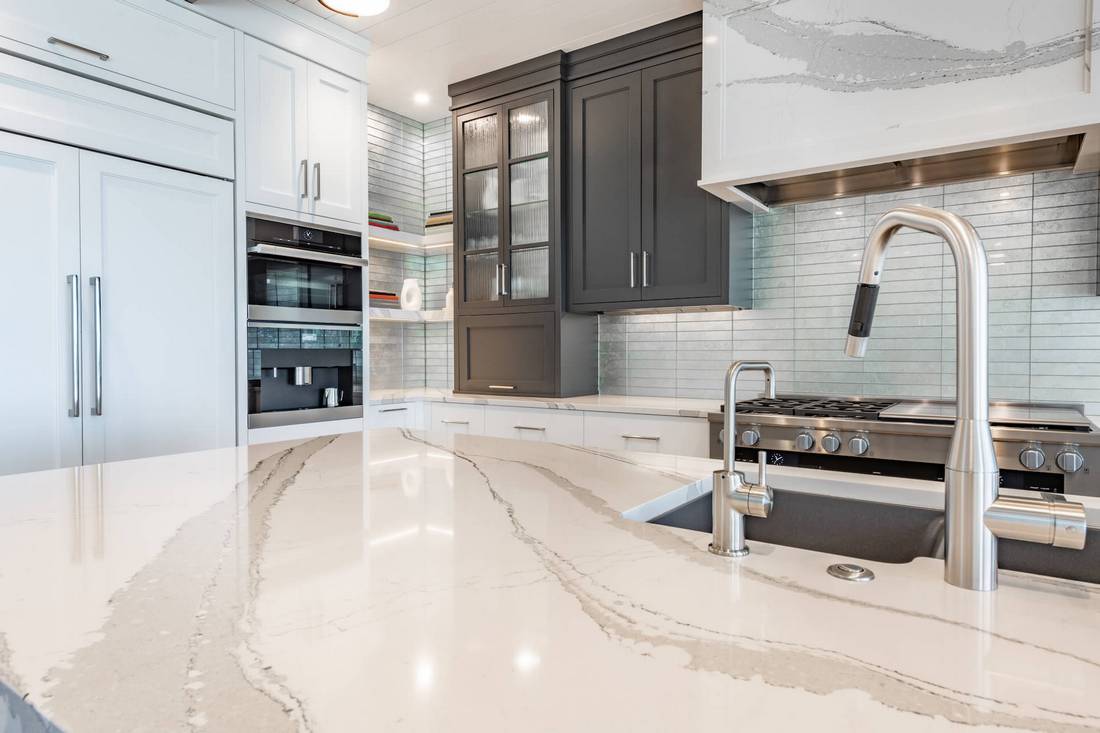
Selecting natural stone for high-use residential or commercial spaces requires careful evaluation of surface treatments. Surface texture determines light reflectivity, tactile sensation, maintenance requirements, and overall resistance to surface wear.
Marble remains one of the most sought-after natural materials in modern design. Homeowners, architects, and designers frequently weigh two primary finish options when specifying slab surfaces for kitchens, bathrooms, and feature walls. Understanding how each finish affects daily performance ensures long-term satisfaction with your stone investment.
What is honed marble?
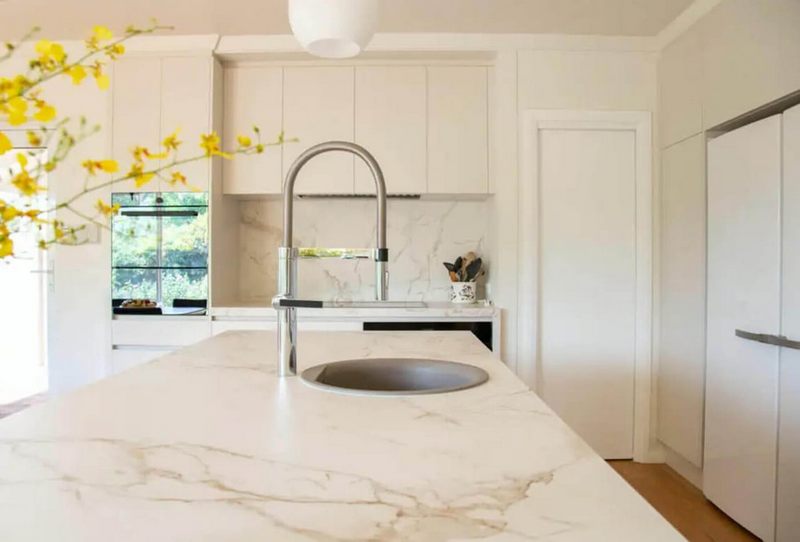
Honed marble features a smooth, satin finish with a matte or low-sheen visual presentation. Fabricators achieve this surface profile by grinding the raw stone slab using coarseners and diamond-grit abrasives. The grinding process stops before reaching the high-gloss reflective stage.
When clients ask what is honed marble, the answer centers on a finish that showcases the natural texture and color tones of the stone without producing specular highlights. The surface feels velvety to the touch, offering an organic appearance that absorbs ambient room light.
To understand the honing process in stone fabrication, consider the mechanical alteration of the slab surface. Grinding creates a completely flat plane while keeping micro-pores slightly open. This velvet-like finish softens the visual contrast of dark veining and reduces the harsh reflection of overhead lights.
Fabricators typically stop grinding at a grit level between 220 and 400. This specific range yields a satin surface without creating a mirror finish. Honed finishes look particularly stunning in modern, rustic, European, and minimalist interior spaces.
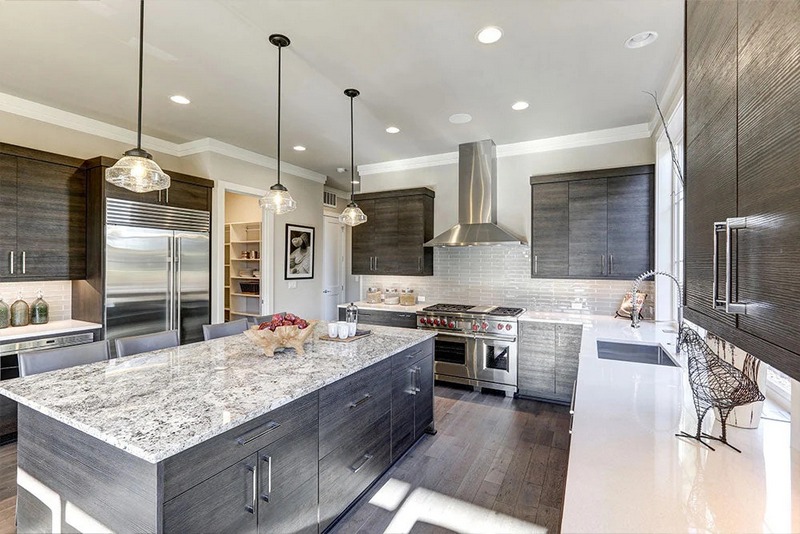
What is polished marble?
Polished marble represents the classic, high-gloss surface treatment traditionally associated with luxury natural stone. Fabricators produce this finish by buffing the slab with progressively finer diamond abrasive pads, starting at 800 grit and progressing up to 3000 grit or higher.
The physical polishing process closes the surface pores of the stone, creating a tight, highly reflective boundary layer. This mirror finish intensifies the natural color saturation of the slab, bringing out deep greys, warm golds, and rich charcoal tones embedded within white or cream backgrounds.
When stone care technicians polish marble countertop surfaces, they use physical friction and polishing compounds to create maximum light reflection. High reflectivity enhances room illumination by bouncing natural light from windows and artificial light from chandelier or pendant fixtures across the room.
The smooth, sealed nature of a polished surface makes liquid bead up more readily on contact compared to untreated satin finishes. It creates an elegant visual anchor in traditional, transitional, and opulent architectural spaces.
Honed vs. Polished marble: what’s the difference?
Comparing honed vs polished marble comes down to evaluating aesthetic preferences against practical lifestyle demands. Both surface treatments stem from identical natural stone quarry blocks, yet mechanical finishing completely alters their functional performance and visual character.
The primary physical distinctions between these finishes lie in light reflection, tactile texture, micro-porosity, and how each finish interacts with acidic substances or sharp kitchen items. Honed surfaces scatter light in all directions, whereas polished surfaces bounce light back at focused angles.
Microscopic surface contours also impact how scratches and chemical etching manifest over time. Honed stone conceals light abrasions because its matte texture lacks mirror reflection. Polished stone highlights micro-scratches and dull etch marks whenever light hits the surface at an angle.
The side-by-side comparison table below outlines key functional parameters for both surface treatments:
| Parameter | Honed Finish | Polished Finish |
| Finish / Sheen | Smooth matte or satin low-sheen | High-gloss, mirror-like reflectivity |
| Scratch Visibility | Low visibility; blends into matte surface | High visibility; fine scratches disrupt gloss |
| Etching Vulnerability | Etch marks appear matte, blending into surface | Etch marks remove gloss, leaving dull spots |
| Stain Resistance | Requires frequent sealing due to open pores | High initial resistance; tighter surface pores |
| Maintenance | Regular penetrating sealer application | Periodic polishing and sealing routine |
| Vibe / Aesthetics | Organic, casual, modern, understated | Elegant, classic, formal, high-luxurious |
Honed marble countertops: pros, cons, and best uses
Specifying honed marble countertops in kitchen and bath environments offers distinct functional advantages alongside specific care considerations. The matte appearance creates a soft, tactile surface that feels warm and inviting.
Key benefits of choosing a honed surface finish include:
- Superior concealment of daily wear, scuffs, and minor surface scratches: The smooth matte texture diffuses light evenly across the slab. This non-reflective finish conceals micro-abrasions far better than high-gloss polish.
- Etch marks from citrus, wine, or vinegar blend seamlessly into the low-sheen background: Acidic substances dissolve calcium carbonate in marble, creating dull spots on the stone. On a honed surface, these acid reactions leave a low-sheen mark that matches the existing background.
- Elimination of harsh glare from under-cabinet LED task lighting: A honed finish absorbs and scatters light, eliminating blinding specular glare from under-cabinet LED strips, spotlights, and expansive natural windows.
- Timeless, organic aesthetic that complements natural wood cabinets and brass fixtures: The subdued, velvety sheen grounds interior spaces with an authentic stone texture. It pairs effortlessly with rich wood cabinetry grains, patinating unlacquered brass hardware, and modern minimalist architecture.
Potential drawbacks of honed stone include:
- Higher vulnerability to oil and liquid staining if left unsealed: The mechanical honing process leaves surface micro-pores slightly more open than high-speed polishing. Without a protective barrier, unsealed stone can absorb standing liquids, dark pigments, or culinary oils more rapidly.
- Requires sealer application every 6 to 12 mo to protect the open micro-pores against stubborn spills.
- Colors appear slightly muted compared to polished counterparts: Honed marble displays a softer, more chalky color profile with lighter tonal variations across the veining.
Best application scenarios for honed stone:
- High-traffic kitchen islands where food prep occurs daily: Ideal for main culinary prep zones where continuous slicing, vessel placement, and heavy daily use would quickly highlight scratch patterns and gloss degradation on reflective surfaces.
- Bathroom vanity tops exposed to acidic cosmetic liquids and toothpaste: Extremely practical for primary bath vanities subject to harsh skincare acids, exfoliants, citrus-based cleansers, and toothpaste, ensuring accidental drips do not ruin the surface finish.
- Floor tiles and wet room surfaces where slip resistance matters: The micro-textured matte surface provides higher tactile friction underfoot than polished stone, offering enhanced slip resistance in walk-in showers, wet rooms, and bathroom floors.
- Large dining tables and casual entertaining bars: Provides an inviting, tactile gathering place where glasses, platters, and hot servingdishes can rest comfortably without creating high-visibility ring marks or wear patterns.
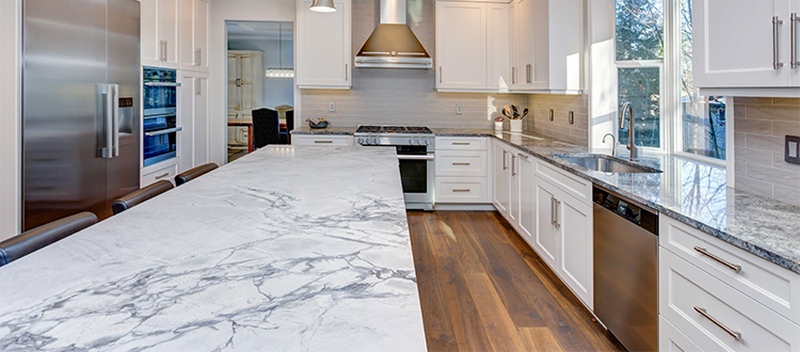
Polished marble countertops: pros, cons, and best uses
Evaluating honed vs polished marble countertops requires understanding the performance characteristics of high-gloss surfaces. Polished stone delivers maximum visual impact, making veining patterns pop with dramatic clarity.
Key advantages of polished marble finishes include:
- Outstanding stain resistance due to tight, smooth surface porosity: The mechanical diamond-buffing process seals microscopic surface pores, creating a dense barrier that slows down liquid absorption and provides strong resistance against accidental spills.
- Rich color saturation and high visual depth across complex slab veining: High polish acts like a reflective liquid layer, deepening mineral contrast and amplifying subtle color variations throughout the stone.
- Reflects ambient room light, making small kitchens or baths feel spacious: The mirrored finish bounces both natural daylight and artificial fixtures across the room, brightening dark corners and enhancing spatial openness.
- Easy to wipe down during daily cleaning routines: The ultra-smooth surface allows micro-fiber cloths and neutral cleaners to glide effortlessly across the stone, making routine maintenance quick and effective.
Key challenges of polished marble finishes include:
- Acidic liquids cause chemical etching, leaving visible dull spots on the glossy surface: Exposure to lemon juice, wine, vinegar, or acidic soap reacts with the calcium carbonate in the stone, dissolving the top polish and creating a noticeable matte spot on the reflective field.
- Fine scratches from metal utensils or grit show under direct overhead light: High-reflectivity surfaces accentuate superficial abrasions, hairline scratches, and scuffs under focused task lighting.
- Requires professional repolishing if extensive etching occurs over 5 to 10 yr of use.
Ideal application areas for polished surfaces:
- Formal powder room vanities with low daily usage: Perfect for guest bath environments where aesthetic elegance takes priority and exposure to harsh acidic cosmetics or heavy daily prep is minimal.
- Low-traffic perimeter countertops and fireplace surrounds: Excellent for secondary kitchen work zones, serving stations, and hearth surrounds where decorative visual impact is desired without continuous cutlery or food prep contact.
- Executive boardroom tables and luxury reception desks: Establishes a commanding, sophisticated centerpiece in commercial environments, highlighting deep stone veining while minimizing maintenance risks.
- Vertical wall cladding, backsplashes, and shower surrounds: Highly practical for vertical installations where gravity prevents liquid pooling, allowing the high-gloss reflective finish to elevate room aesthetics without physical wear.
Maintenance and care comparison
Understanding what does honed mean for daily maintenance requires recognizing how surface micro-pores affect sealer absorption and spill response. Maintaining natural stone surfaces in pristine condition requires matching your care routine to the specific finish profile. Both finishes demand prompt cleanup of spills, yet their long-term maintenance schedules vary slightly.
Essential care steps for honed surfaces:
- Apply a premium penetrating sealer every 6 mo to protect open micro-pores.
- Clean daily using pH-neutral stone cleaner and microfiber towels.
- Wipe up oil, red wine, and dark fruit juices within 15 min of contact.
- Use cutting boards to prevent deep mechanical gouges.
Essential care steps for polished surfaces:
- Apply a penetrating stone sealer every 12 to 18 mo.
- Avoid abrasive scouring pads that dull the factory shine.
- Neutralize acidic spills immediately with soapy warm water or specialized stone spray.
- Use coasters under glasses containing citrus juice, alcohol, or coffee.
Understanding the difference between honed and polished marble becomes especially clear when considering how each finish responds to acid etching. Etching occurs when acidic compounds dissolve the calcium carbonate in the marble. On polished surfaces, etching leaves a noticeable matte spot on a shiny field. On honed surfaces, the same acid reaction leaves a spot that matches the existing low-sheen background, making damage far less noticeable.
Reconditioning honed surfaces requires simple field hand-honing with abrasive pads. Reconditioning polished stone often requires specialized rotary machinery and polishing pastes operated by certified stone restoration professionals.
Which finish should you choose?
Selecting the right finish depends on your lifestyle, aesthetic vision, and willingness to perform routine maintenance. Neither option is objectively superior; each serves distinct architectural goals and practical needs.
- Choose honed marble if you prefer a casual, relaxed atmosphere that ages gracefully with natural patina. It suits active households with children, enthusiastic home cooks, and spaces illuminated by strong overhead lighting. The forgiving surface hides minor blemishes, allowing you to enjoy your kitchen without constantly stressing over small imperfections.
- Choose polished marble if you desire a classic, formal luxury aesthetic with bold color contrast and luminous shine. It works best in curated environments where elegance takes priority over heavy culinary prep. With proper care, sealed polished surfaces maintain their showroom luster for decades.