
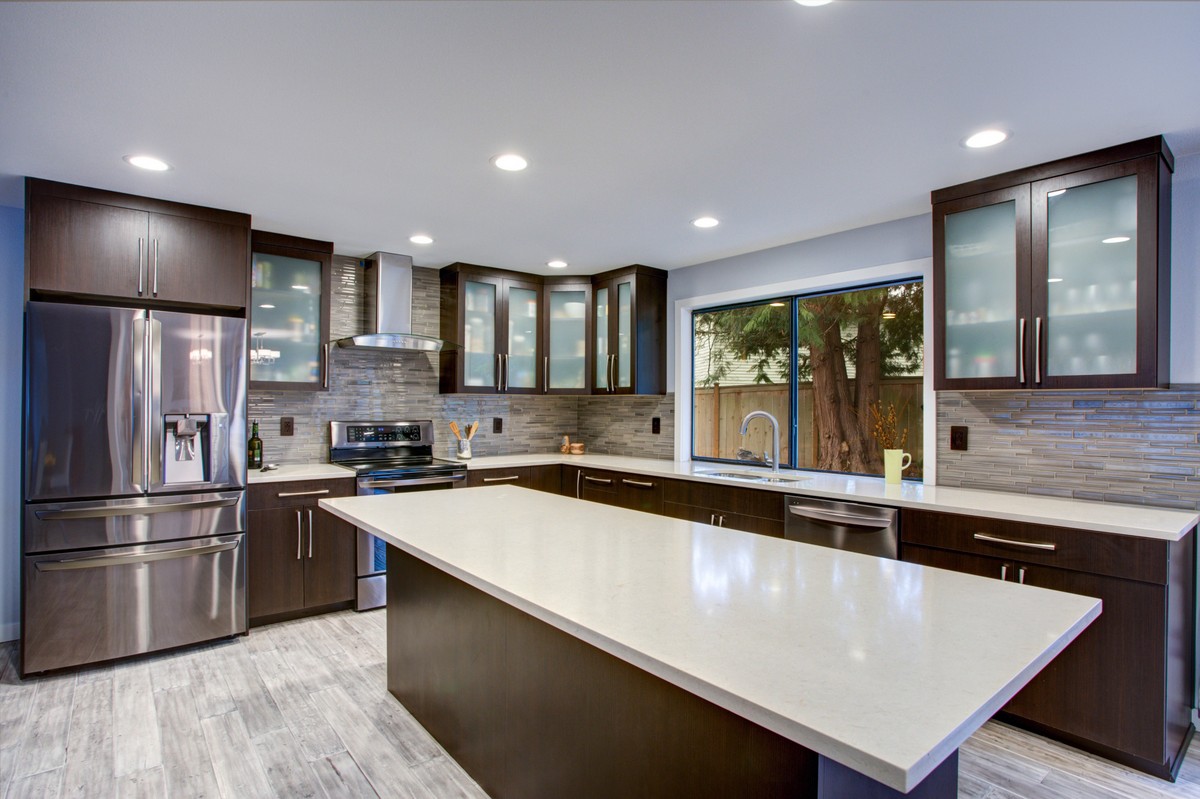
A kitchen should serve your lifestyle, not add chores to your weekend schedule. Cooking involves red wine, hot oil, citrus juice, and spilled coffee. If your prep surfaces absorb liquids easily or require special pastes, daily cooking turns into a stressful chore.
Selecting the right surface eliminates constant worry. Today, engineered engineering and advanced kiln technology allow homeowners to install stunning slabs that never require annual chemical sealers or fussy polishing routines. Here is what you need to know about surfaces that withstand heavy daily use with minimal effort.
What is the lowest maintenance countertop?
Finding the true lowest maintenance countertop comes down to how a surface reacts to liquid, heat, and impact. A surface fits this category if it meets 4 fundamental criteria:
- It possesses a non-porous surface structure that blocks liquids from entering deep pores.
- It requires 0 chemical sealants, waxes, or special conditioning treatments throughout its lifespan.
- It cleans up completely with mild dish soap and warm tap water.
- It resists everyday household acids such as lemon juice, vinegar, and tomato sauce without etching.
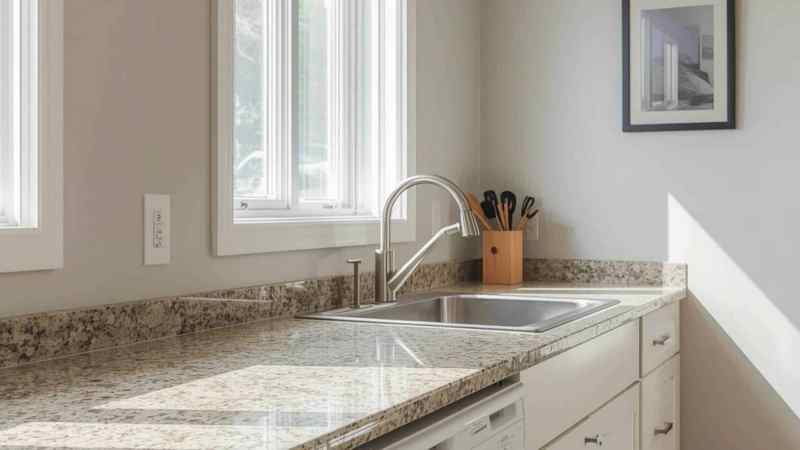
Natural stones like unsealed marble fail these criteria because acid eats into raw calcium carbonate within seconds. In contrast, non-porous engineered surfaces create an impervious barrier. Spills sit on top of the slab until you wipe them away.
Daily care for these surfaces takes less than 2 min. You do not need dedicated pH-neutral stone sprays, microfiber buffers, or stain extraction poultices. You wipe the deck with a damp cloth, dry it with a clean towel, and move on with your day.
Top low maintenance countertop materials ranked
When comparing modern kitchen surfaces, engineered options and dense non-porous slabs lead the market.The following 5 materials provide the easiest cleanup, the highest stain resistance, and the longest functional life for busy kitchens.
Quartz Countertops
Engineered quartz combines 90% to 93% crushed quartz crystal with 7% to 10% polymer resins. This manufacturing process eliminates open pores, so quartz never requires chemical sealing. Red wine, soy sauce, and dark vinegar can sit for 12 hr without leaving a mark. Designers rank it as the least maintenance countertop for busy families because it cleans with warm water and soap; citrus will not etch the polish. Its primary limitation is thermal shock, as binding resins can discolor or crack above 300 °F.
Porcelain Slabs
Fabricated from kaolin clay, feldspar, and silica fired above 2200 °F, porcelain slabs feature a water absorption rate under 0.5%. Porcelain resists direct heat, open flames, UV sunlight, household chemicals, and scratching. You can place hot pots directly on the slab without scorching. It cleans easily with a wet sponge and works well in sunlit or outdoor kitchens. However, porcelain is brittle during cutting and requires certified installers for proper edge support.
Solid Surface
Solid surface counters (such as Corian) blend mineral dust with acrylic or polyester resins into a non-porous slab. They come close to no maintenance countertops because superficial scuffs erase with an abrasive sponge, and deep scratches can be sanded out in 15 min. Installers fuse slabs using matching resins for seamless 20 ft runs. A solid surface never needs sealing and resists mold, but acrylic softens at 212 °F and scratches more easily than stone.
Stainless Steel
Commercial 304-grade stainless steel contains iron with at least 10.5% chromium and 8% nickel, forming a self-healing oxide layer for superior hygiene. It handles boiling pots, acidic marinades, and raw poultry without staining or scorching, absorbing no odors or liquids. Wipe clean with soapy water, vinegar, or degreasers. The surface develops fine hairline scratches over time, creating an industrial patina unless buffed frequently.
Recycled Glass and Sintered Stone
Homeowners seeking low maintenance stone countertops often select sintered stone or recycled glass, which fuse raw minerals under 25,000 tons of pressure. Recycled glass slabs resist acid stains completely and need no sealant. Non-porous sintered stone withstands direct knife cuts, boiling grease, flames, and UV exposure, cleaning easily with dish soap or glass cleaner. Both materials require expert fabrication to prevent corner chipping during installation.
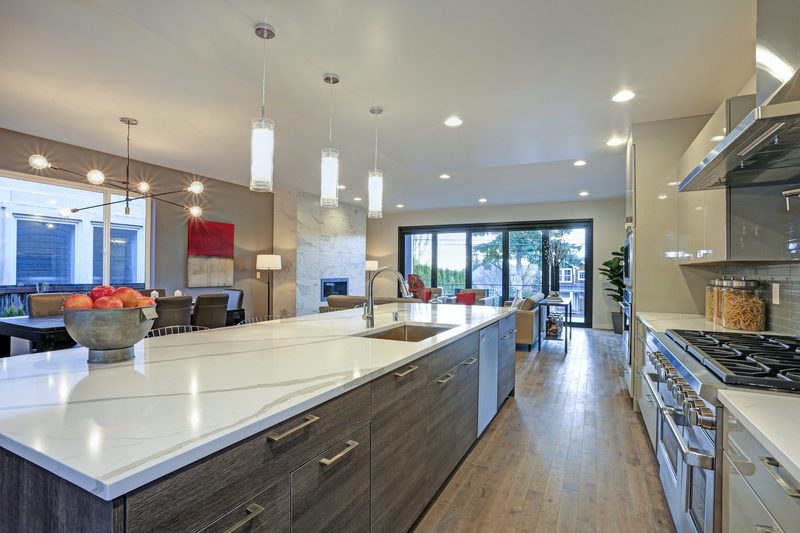
Which countertops require the most maintenance?
Understanding what makes a surface difficult to maintain highlights why low-care materials are worth the investment. High-maintenance surfaces demand strict routines, specialized cleaning formulas, and fast intervention when spills occur.
- Natural Calacatta and Carrara Marble: Marble consists primarily of calcium carbonate, a soft mineral that reacts instantly with acids. Lemon juice, wine, and vinegar dissolve the polished finish within 30 seconds, creating dull etch marks. Marble also has open capillary pores that suck in dark liquids, requiring chemical sealing treatments every 3 to 6 months.
- Butcher Block and Natural Hardwood: Wood expands and contracts with ambient humidity. Unsealed wood absorbs meat juices, harbors bacteria, and stains from standing water rings. Hardwood counters require food-safe mineral oil applications every 4 weeks to prevent cracking and warping.
- Cast Concrete: Concrete is an alkaline sponge in its raw state. Without multiple layers of topical polyurethane or penetrating wax, cooking oil and mustard soak in permanently. Topical sealers scratch easily and must be stripped and reapplied every 1 to 2 years.
- Unsealed Light Granite: While dense dark granites resist stains, light white granites contain open micro-pores. If you skip the annual water-drop sealing test, cooking grease creates dark rings around cooktop prep zones.
Countertop maintenance comparison: which material is easiest to care for?
The table below breaks down the care profiles, heat tolerances, and sealing requirements of popular kitchen surfaces.
| Countertop Material | Sealing Required? | Daily Cleaning Method | Scratch Resistance | Heat Resistance | Stain Risk |
| Quartz | No | Mild soap and water | Very High | Moderate (up to 300 °F) | Extremely Low |
| Porcelain | No | Water or any cleaner | Exceptional | Exceptional (over 2000 °F) | Zero |
| Solid Surface | No | Damp microfiber cloth | Moderate | Low (under 212 °F) | Extremely Low |
| Stainless Steel | No | Soap, water, or vinegar | Moderate | Exceptional (over 1500 °F) | Zero |
| Sintered Stone | No | Any household cleaner | Exceptional | Exceptional (over 2000 °F) | Zero |
| Light Granite | Yes (every 12 months) | pH-neutral stone wash | High | High (up to 900 °F) | Moderate if unsealed |
| Marble | Yes (every 3 to 6 months) | pH-neutral stone wash | Low | High (up to 900 °F) | Very High |
| Wood / Butcher Block | Yes (oil every 4 weeks) | Scrape and mineral oil | Low | Very Low (scorches easily) | High |
How to choose the right lowest-maintenance countertop for your kitchen
Selecting the right low maintenance countertop materials involves balancing your cooking style, aesthetic preferences, and budget per sq ft. Follow this practical 5-step checklist to narrow down your options:
- Identify your heat habits: If you routinely slide 450 °F cast-iron pans directly from the oven to the counter, choose porcelain or stainless steel. If you always use silicone mats or trivets, quartz offers far more design patterns.
- Evaluate outdoor sunlight exposure: Quartz contains petroleum-based resins that yellow under direct UV light. For outdoor kitchens or spaces with continuous direct skylight exposure, select UV-stable porcelain or sintered stone.
- Calculate long-term upkeep costs: While raw granite or butcher block may cost less initially, the ongoing expense of specialty sealers, mineral oils, and professional polishing adds up over 10 years.
- Test physical material samples: Take a 4 in by 4 in sample slab home. Pour 1 tablespoon of olive oil, 1 tablespoon of red wine, and 1 squeeze of fresh lemon juice on it. Let the liquids sit for 8 hr, wipe the surface clean with a damp sponge, and inspect the finish under direct light.
- Review edge profile selections: Simple eased or beveled edges chip less often than intricate ogee or bullnose profiles on dense porcelain and quartz slabs.
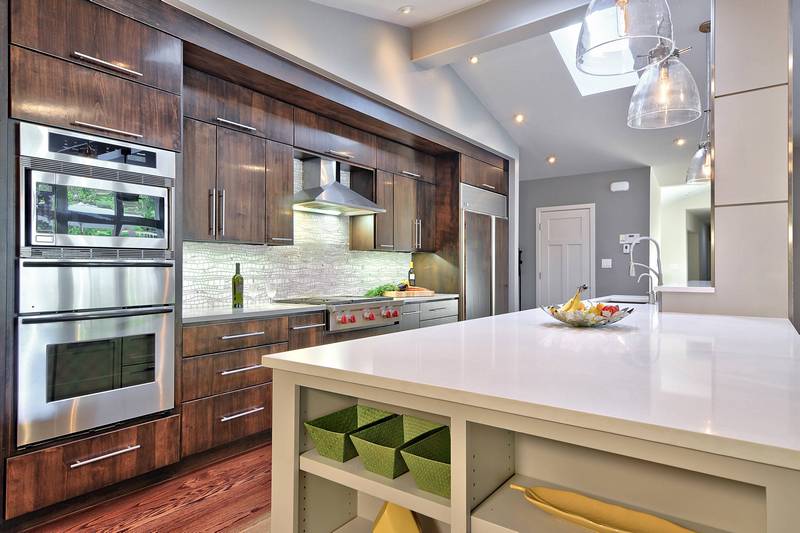
Keep these practical fabrication considerations in mind:
- Slab thickness impacts edge strength: Specify 3 cm slabs instead of 2 cm slabs when possible to avoid the need for plywood underlayment and laminated edge seams.
- Seam placement matters: Position mechanical seams away from high-moisture sink cutouts to prevent dirt accumulation in the epoxy line.
- Matte vs polished finishes: Matte and honed finishes show finger oils more visibly than polished surfaces, requiring slightly more wiping to maintain an even look.
- Sink integration: Pair your non-porous counter with an undermount sink to wipe crumbs directly into the basin without catching on raised sink rims.
Frequently Asked Questions
What type of countertop has the least maintenance?
Porcelain and engineered quartz share the top position for the lowest upkeep requirements. Both materials are 100% non-porous, meaning they never require penetrating sealers, polishing pastes, or specialized cleaning solutions. You clean them entirely with basic dish soap and tap water. Porcelain holds a slight edge over quartz because it also tolerates direct pan heat and sunlight without burning or fading.
Does quartz ever need to be resealed?
No. Engineered quartz contains roughly 7% to 10% resin binders that seal every internal pore during factory fabrication. Liquid cannot enter the material. Applying topical stone sealers to quartz creates a streaky, hazy residue on the surface because the chemical sealer has no open pores to soak into.
Can hot pans damage low maintenance surfaces directly?
Yes, on certain materials. While porcelain, sintered stone, and stainless steel handle 1000 °F pans without issue, quartz and solid surfaces contain acrylic and polyester polymers. Placing a 400 °F skillet directly on quartz causes thermal shock, which can permanently whiten the resin or produce sudden hairline fractures across the slab. Always use trivets with quartz and acrylic.
What is the best daily cleaner for non-porous counters?
Warm water mixed with 2 to 3 drops of standard pH-neutral liquid dish soap works best for all non-porous surfaces. Avoid abrasive scouring powders, concentrated sodium hydroxide, and industrial oven cleaners. For quick sanitizing on quartz or porcelain, a simple 50/50 mix of water and 70% isopropyl alcohol cuts surface grease and evaporates streak-free in seconds.
What is the longest lasting countertop?
Porcelain, sintered stone, and stainless steel offer the longest functional lifespans, frequently exceeding 40 to 50 years without structural degradation. These surfaces do not rot, oxidize, etch from cooking acids, or degrade under direct thermal contact. While natural granite also lasts decades, it requires repeated chemical sealing to prevent liquid absorption and internal staining over that timeframe.